From High School Hallways to Capitol Hill: A Teen’s Fight for Safer School Food
How one junior’s personal journey with food and mental health led to lobbying Congress for change
By Aanya Singh
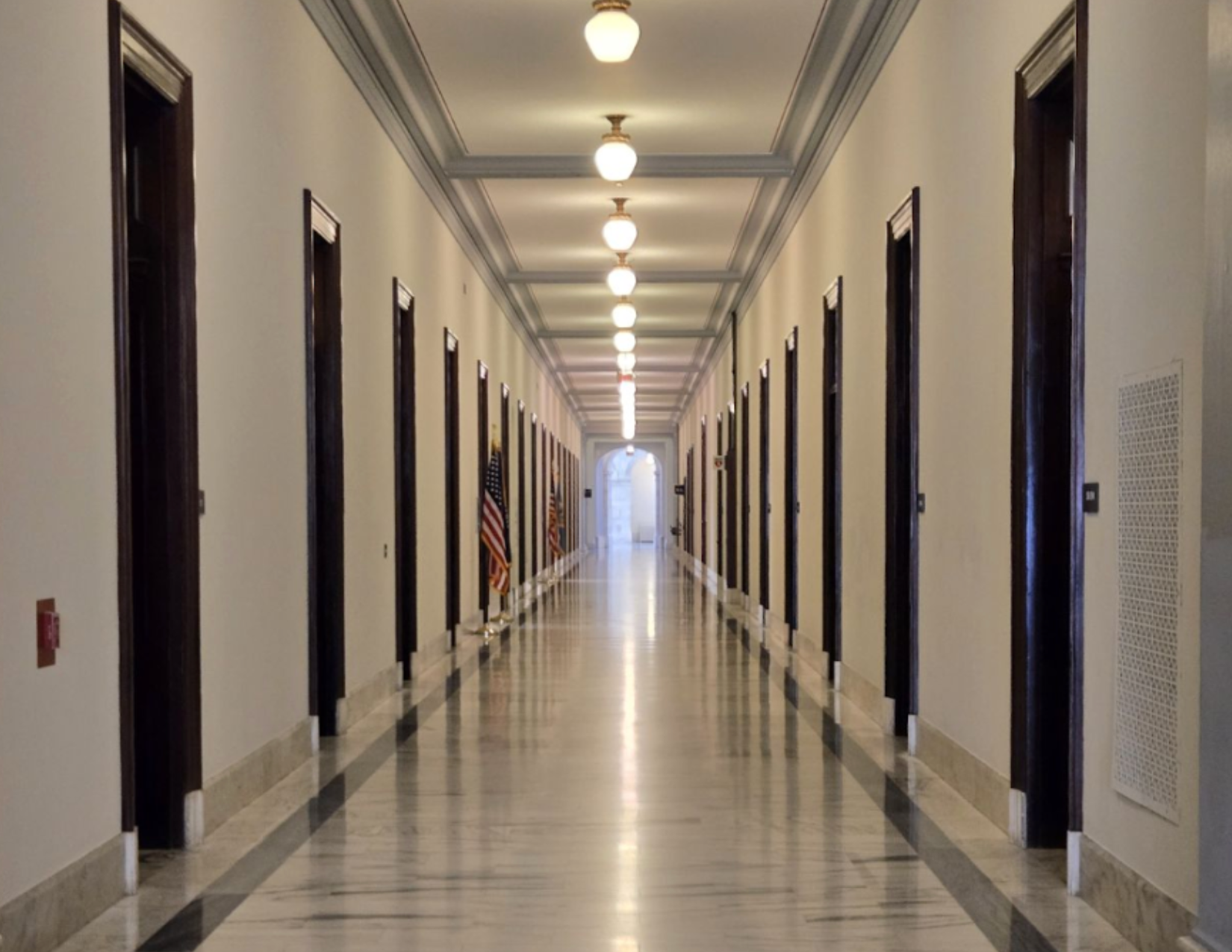
Hallway of U.S. Capitol
A few weeks ago, I traded my usual morning at Collegiate School in Richmond, Virginia, for something completely different. On July 24, 2025, I walked into the marble halls of the U.S. Capitol as part of a lobbying team. Our goal: to voice our opposition to bills that would block states from creating their own food chemical safety laws. Advocating against state food chemical preemption, I was a youth voice among other experienced adults and advocates from Eat Real and Environmental Working Group (EWG). While it did feel intimidating at first, I knew the perspective I had gained as a student was exactly why I belonged on this team.
The Personal Story Behind the Policy
For me, this is more than a policy debate. Like many students across America, I have seen the effects of these chemicals firsthand. Back in middle school, I struggled with my mental health in a way that I couldn’t quite explain. No matter how much sleep I got, I felt exhausted all the time, couldn’t focus on anything in class, and kept getting trapped in these negative thought patterns that seemed to come out of nowhere. At first, I thought it was just stress from school, but I knew something else was going on.
Over time, I learned about the connection between gut health and mental health, especially in teens. When I started paying closer attention to what I was eating, I realized many of my meals were filled with ultra-processed ingredients and chemicals—things like artificial dyes and preservatives—that I later learned can be linked to hormone disruption and even mental health symptoms. Once I became more intentional about what I put into my body, focusing on whole, unprocessed foods, I started noticing real changes. The brain fog lifted, my energy returned, and I felt more like myself again. Making these changes didn’t magically solve everything, but it was a turning point that showed me just how powerful food can be.
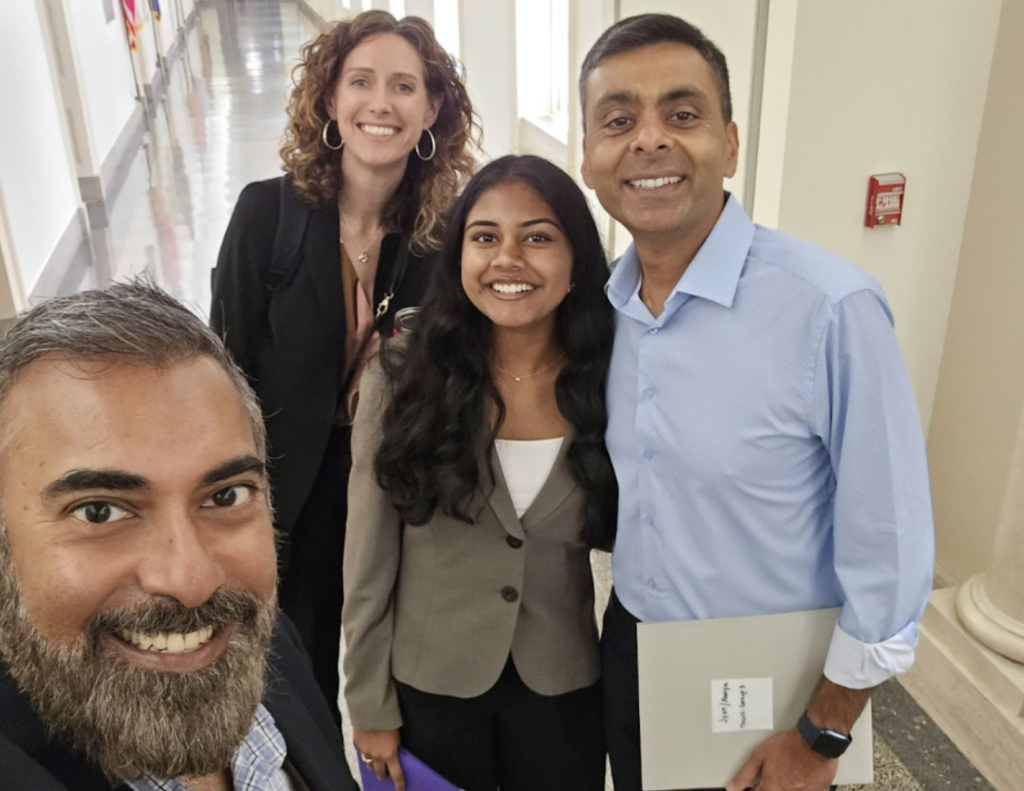
With Melanie and Dr. G, at Russell Senate Office Building, Washington, DC
Why This Matters to Me
Once I experienced this transformation firsthand, I couldn’t ignore what I was seeing around me every day at school. I watched classmates crash after sugary, processed lunches, their heads hitting their desks by third period. I heard friends with ADHD being told to “watch their diet” while the cafeteria continued serving foods loaded with additives linked to behavioral issues.
That’s what drew me to Eat Real and their mission. When I first connected with Nora LaTorre, CEO and co-founder of Eat Real, I was amazed by how she turned her own experience as a parent into a movement that’s transforming school food across the country. Nora saw a problem, and she created a solution that actually works.
For the past year, I’ve been working with Eat Real, conducting analyses of and providing insights into their certification standards. Their 10 evidence-based standards certify schools that serve fresh, whole foods that support both children’s physical and mental health. Working alongside Nora taught me that school food reform is critical to nourishing students in ways that make them feel empowered and in control of their wellbeing.
Taking the Fight to Capitol Hill
The teams were led by experienced advocates like Nora LaTorre, Melanie Benesh, Dr. G, and Jessica Hernandez, and they made sure I felt prepared and confident. Nora has been an incredible mentor throughout this journey. As CEO and co-founder of Eat Real, she’s spent years turning her vision of healthier school food into reality, and watching her navigate these conversations taught me so much about effective advocacy. As the only high schooler, I was definitely nervous about holding my own, but Nora reminded me that my student perspective was exactly what these meetings needed.
Our message at the hill was simple: reject any federal bill that would preempt state food chemical laws. We explained how states have consistently led the way in advancing stricter food safety standards than the federal government. For example, states like Virginia have made progress banning harmful additives, such as Red Dye No. 3 and BHA, from school meals, and this state action occurred well before the FDA. West Virginia went even further, banning artificial dyes from all food products sold in the state, which pushed companies nationwide to commit to phasing out these additives by 2028.
In each meeting, I shared my story, but I also painted a broader picture for the staffers we spoke with. I shared research highlighting how in the European Union, many snacks and candies are made without harmful dyes like Red Dye No. 3, replaced with natural colorings such as beetroot red or paprika extract. But in the U.S., the same products still contain these chemicals, even in school meals. If I went to school in France or Germany, I wouldn’t be served these kinds of foods. Why should American students be the exception?
To move the needle on advancing food equity, we asked Senators to support the Food Chemical Reassessment Act of 2024, a bill that would require the FDA to re-evaluate food chemicals approved decades ago with modern science. It’s a critical step in fixing our outdated food safety system and ensuring federal standards protect everyone, without taking away states’ ability to act in the meantime.
The Power of Young Voices
Walking out of those meetings, I felt hopeful. I realized that my voice, even as the only teen in the room, could make people stop and listen. It reminded me that if students don’t speak up, we lose the chance to shape the very policies that affect our health every single day.
I left D.C. more determined than ever to keep pushing for school food that enables every student to thrive. But I also left with a challenge for my peers: your voice matters more than you might think.
You don’t have to lobby Congress (though that was pretty amazing). You can start by paying attention to how different foods make you feel. You can ask questions about what’s being served in your cafeteria. You can share your experiences with friends, family, and school administrators.
When we understand the connection between what we eat and how we feel, we become empowered to make choices that support our best selves. And when we speak up about those experiences, we help create change for everyone.
The fight for safer, more nourishing school food is far from over, but I know that when young people share their stories with authenticity and courage, people listen. Your health, your focus, your ability to show up as your best self. It all matters. And it all starts with recognizing that you deserve better.