Not a Supply Chain. A Community.
Montague’s Model for Feeding Families and Supporting Local Farmers
By Ariana Hernandez
What makes Montague Area Public Schools’ Summer feeding program stand out isn’t just what they serve, it’s who they serve it with.
Seven school districts across Muskegon County have come together to pool their resources and community under one unified summer feeding effort. The result is a program that meets families where they are, handing them a full week’s worth of breakfast, lunch, and fresh produce in a single pickup.
This past summer, they reached 3,600 students.
A Taste of Michigan Summer
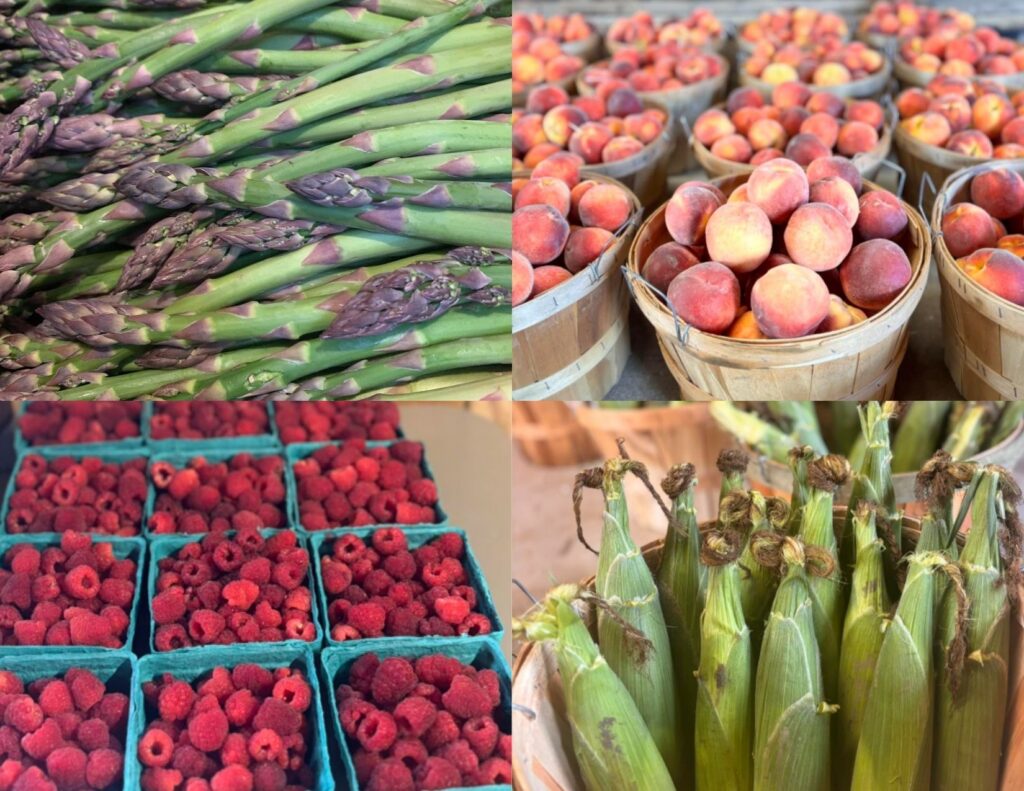
Pictured: Michigan produce students receive from farm partners like Prado Farms, Gavin Orchards.
Ask Dan Gorman, Food Service Director at Montague Area Public Schools, what they serve and he doesn’t list off menu items, he talks about a season.
Early summer means strawberries. As the weeks roll on, asparagus shows up, then blueberries and broccoli. By the end of summer it’s peaches and sweet corn — the kind of produce that reminds you why locally grown food is worth it, especially in Michigan.
In one week, the districts distributed 3,600 quarts of blueberries and 3,200 pounds of broccoli. Fresh, local, and harvested at peak season from farms that Dan has spent time building relationships with.
“The summer is such a short and bountiful season,” Dan explains. By committing to purchase at scale, the districts become a reliable, consistent customer that farmers can plan around and count on. He dreams of farms that have set plots and amounts reserved for the district rather than just taking whatever surplus is available. It’s a future partnership that could sustain local agriculture through the entire school year.
For the Kids, and their Families
Summer feeding supports our most vulnerable population: students, and their families. The families who can’t make it to a farmer’s market. Parents trying to feed their kids while working double shifts. The households where fresh produce feels like a luxury. Over ten weeks, the summer feeding program puts real food into more people’s hands, making access to nourishing food a reality.
“Some parents and families that might hesitate to go to a food pantry don’t hesitate to come to us.”
It’s a simple observation that carries enormous weight. School summer feeding programs run through schools occupy a unique space in a community’s trust. Families know the building. They know the people. There’s no stigma, just the same institution that educates their children now handing them blueberries and broccoli on a Monday morning.
The program also creates meaningful summer employment for kitchen staff — a way of honoring the people who show up every single day during the school year. And when the team gets to interact with students’ families outside of the school building, something grows: trust, connection, and a relationship between a school district and its community that goes well beyond the cafeteria.
What’s Being Built
Looking ahead, the team plans on using Muskegon County’s new central kitchen to process the fresh fruit and vegetables into ready-to-use products. Dan sees pickup days evolving into something richer: cooking demonstrations, taste tests, and recipe handouts that help families do something exciting with the food they’re taking home.
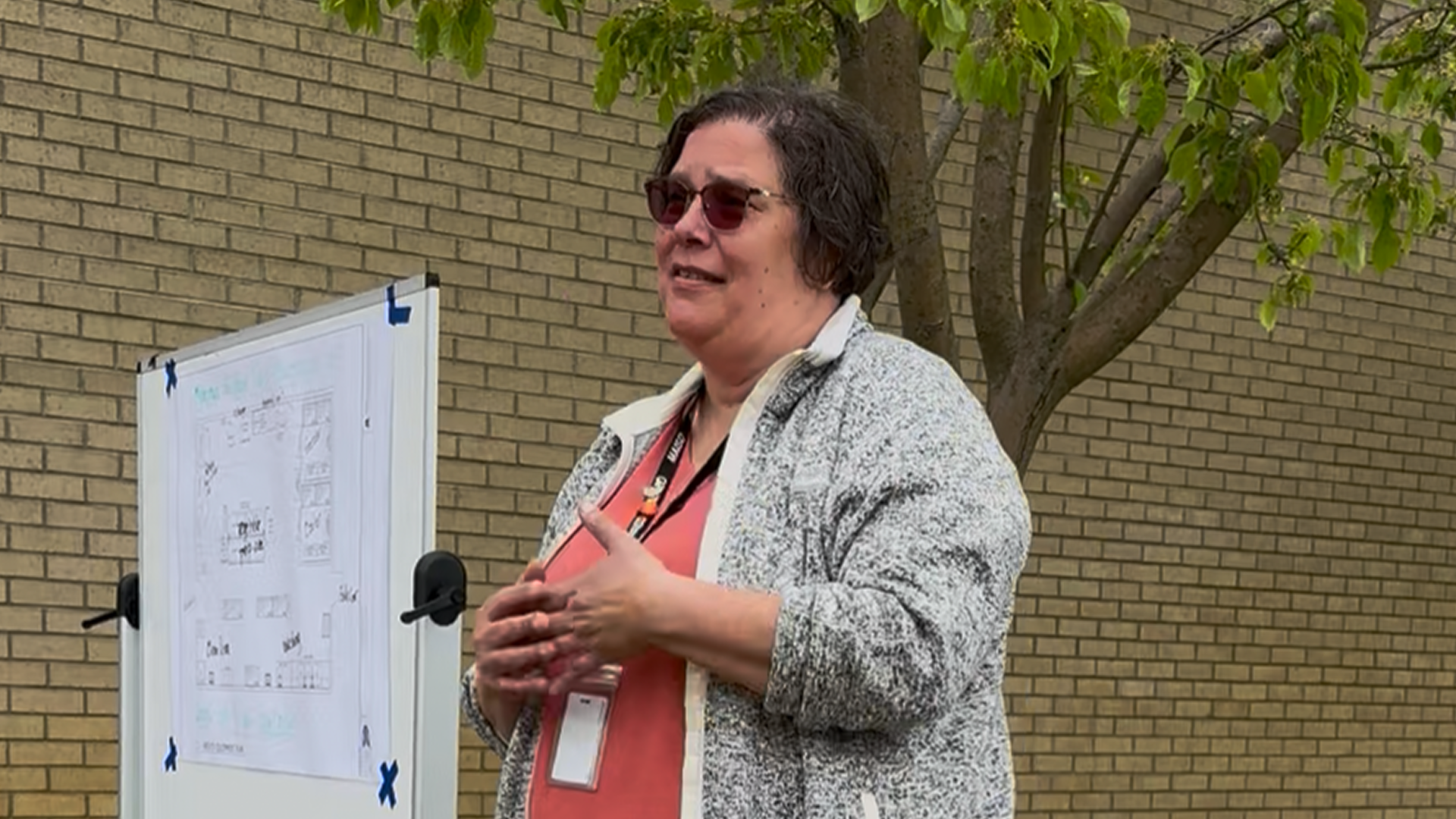
Pictured: Elissa Penczar, Career and Technical Education (CTE) Food Systems Coordinator at MAISD speaking about Muskegon County’s new central kitchen.
And the vision extends beyond Montague. This model has the potential to scale across the country, not just in rural communities. A future where local farms and school districts become so tightly linked that a farmer can look at a field and say: “I’m growing this specifically for the schools. They’re steady customers, and that steadiness means I can actually make a difference in these kids’ health.”
That’s not a supply chain. That’s a community.
What We Can Learn from Muskegon County
There’s a moment Dan comes back to when he talks about how this all began.
“One Friday, the world [was] shutting down,” he recalls about the COVID-19 pandemic. “The next Monday we were serving meals to our students’ families.”
No blueprint. No protocol. Just an impassioned foodservice director, a dedicated team, and a community that needed to eat. Dan is quick to note that school nutrition directors across the country did the same — and he believes that story doesn’t get told nearly enough.
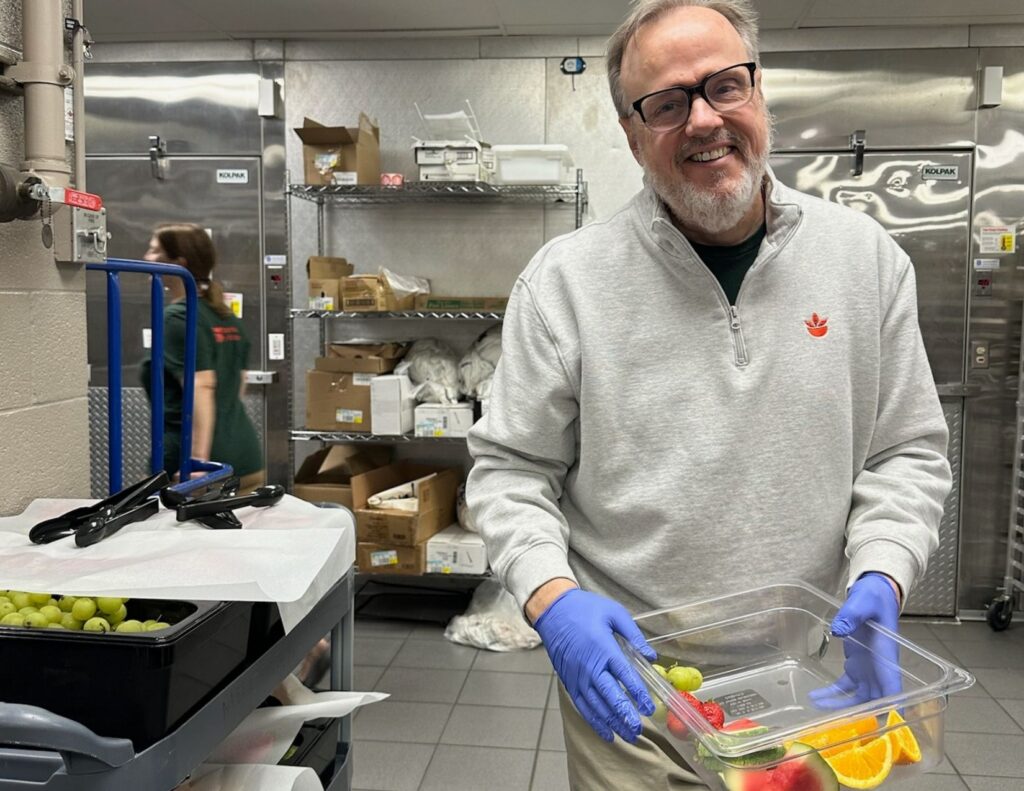
Pictured: Dan Gorman, Food Service Director at Foodservice Director for Montague Area and North Muskegon Public Schools
What Montague has built is proof that school food programs can be more than what we expect them to be. They can be a bridge between local farmers and local families. They can be a place where dignity and nourishment show up in the same meal. They can be, at their best, the kind of institution that a community can be proud of.