California is making history for our kids’ health
By Chef Andrew Zimmern
As a chef, author, teacher, television producer, and lifelong advocate for food systems that work for everyone, I’ve seen firsthand how food shapes the health of our communities. I’ve traveled to every corner of the world exploring the ways people eat, and food is more than just sustenance. It’s culture and the foundational element of wellness and health.
Here in the United States, we’ve been facing a crisis that too often gets overlooked. Rates of childhood obesity, diabetes, and ultra-processed food–related diseases are soaring. One in five kids is living with obesity. Type 2 diabetes, once almost unheard of in children, is now alarmingly common. Behind those statistics are real children who are struggling with preventable health issues because of the food environment we’ve created. According to CDC data, 20–30 million U.S. children (or more) are experiencing preventable health burdens tied to how our food system is structured.
If we are serious about addressing this crisis, we have to start where it matters most: our public schools. Public schools in California serve over 800 million meals a year. For many children, this is the only meal they get in a day. That makes school food one of the most powerful levers we have to influence the long-term health of an entire generation.
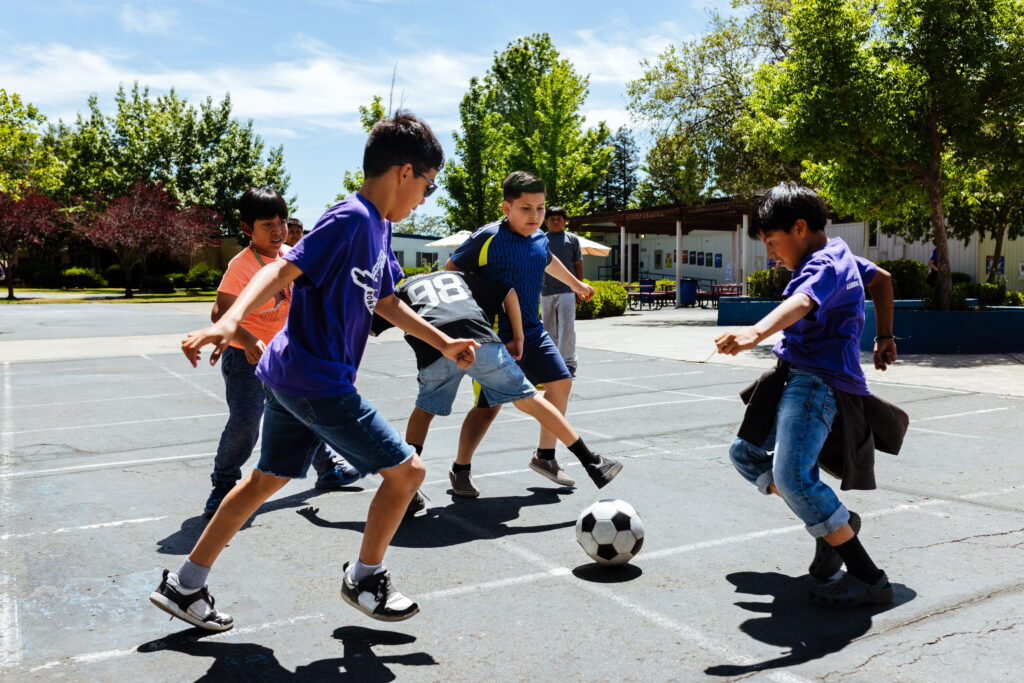
Pictured: Students enjoying a game of soccer after a nourishing lunch at Eat Real Certified district, Western Placer Unified.
That’s why I’m celebrating Governor Gavin Newsom’s signing of AB 1264 (Gabriel) — a landmark bill that makes California the first state in the nation to phase out harmful ultra-processed ingredients from public school meals. This law ensures that what’s served in schools is real food, made from wholesome ingredients that truly nourish growing bodies and minds.
AB 1264 represents a bold, science-based commitment to our children’s health. It doesn’t make life harder for schools or take away foods kids enjoy. Instead, it gives school nutrition teams the tools and support they need to serve meals that fuel learning and health, rather than contribute to chronic disease. No child ever got diabetes from eating too much broccoli.
I’ve met hundreds of foodservice directors and school nutrition professionals across the country. They care deeply about children’s well-being and work tirelessly within limited budgets and strict regulations. They want to serve real food — and this new law makes it easier for them to do just that by addressing the problem at the source: the supply level.
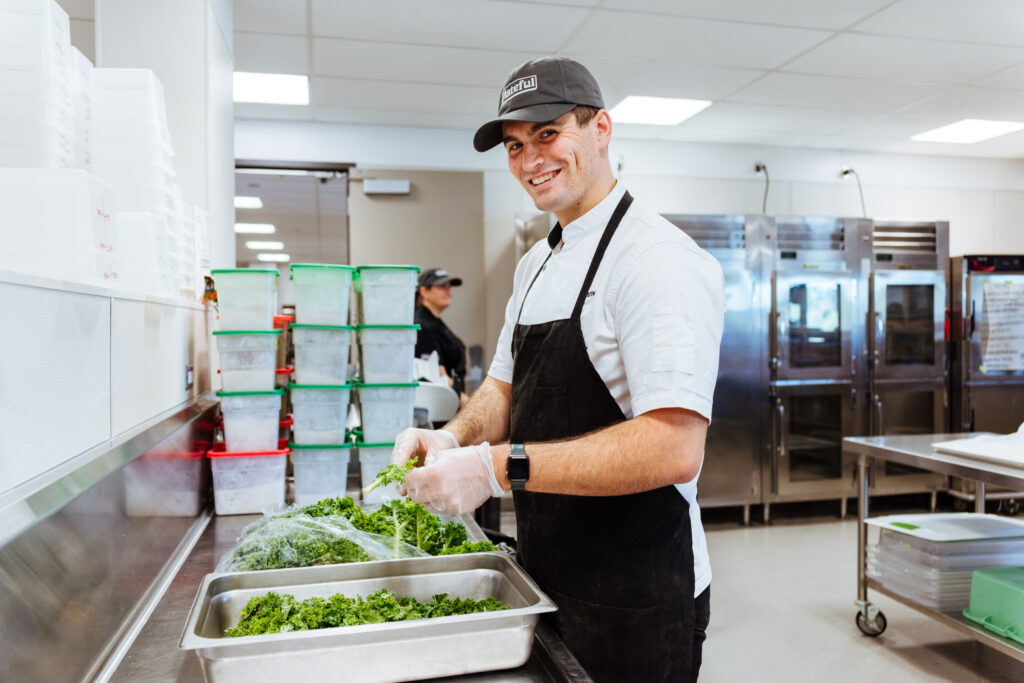
Pictured: Western Placer Unified team member preparing kale chips.
Some people argue that schools can’t afford healthier meals or that kids won’t eat them. Wrong. I’ve seen schools prove otherwise. When offered fresh, real meals, kids respond. They eat better, they thrive, and the ripple effects are profound — from lower healthcare costs to improved learning and happier, healthier communities.
This isn’t a political issue. It’s a moral one. Our kids deserve food that strengthens their future, not food that undermines it and generationally weakens our society.
That’s why I’m also proud to announce that I’ve joined the Chefs for Kids Council at Eat Real, a nonprofit dedicated to transforming school food nationwide. The council brings together chefs and food leaders who share the belief that every child deserves access to real, healthy food at school. Together, we’ll support the incredible school nutrition professionals on the ground and help inspire communities to value school food as the essential public health investment it is.
I didn’t join this council just to add my name to a list. I joined because I believe the fight for real food in schools is one of the most important health and equity battles of our time. What’s at stake is nothing less than the physical, mental, and emotional well-being of our country.
With the signing of AB 1264, California has set a new standard for the nation — proving that we can protect kids’ health, support our schools, and build a food system that truly nourishes the next generation.
Now, it’s time for the rest of the country to follow California’s lead.
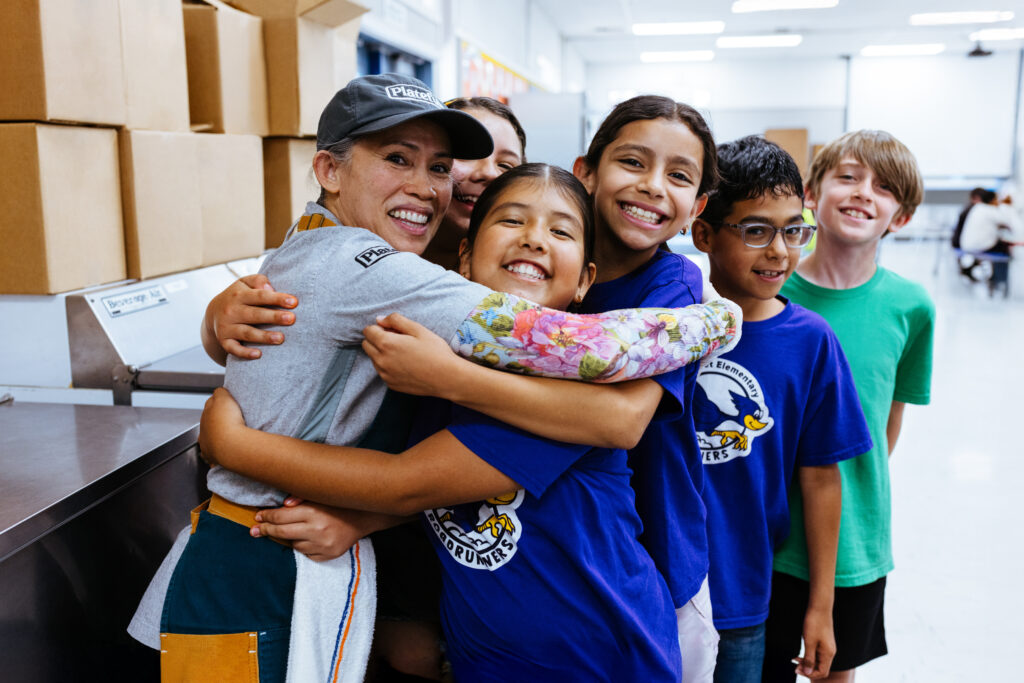
Pictured: Western Placer Unified students sharing the love with their school food hero.
About Chef Andrew Zimmern
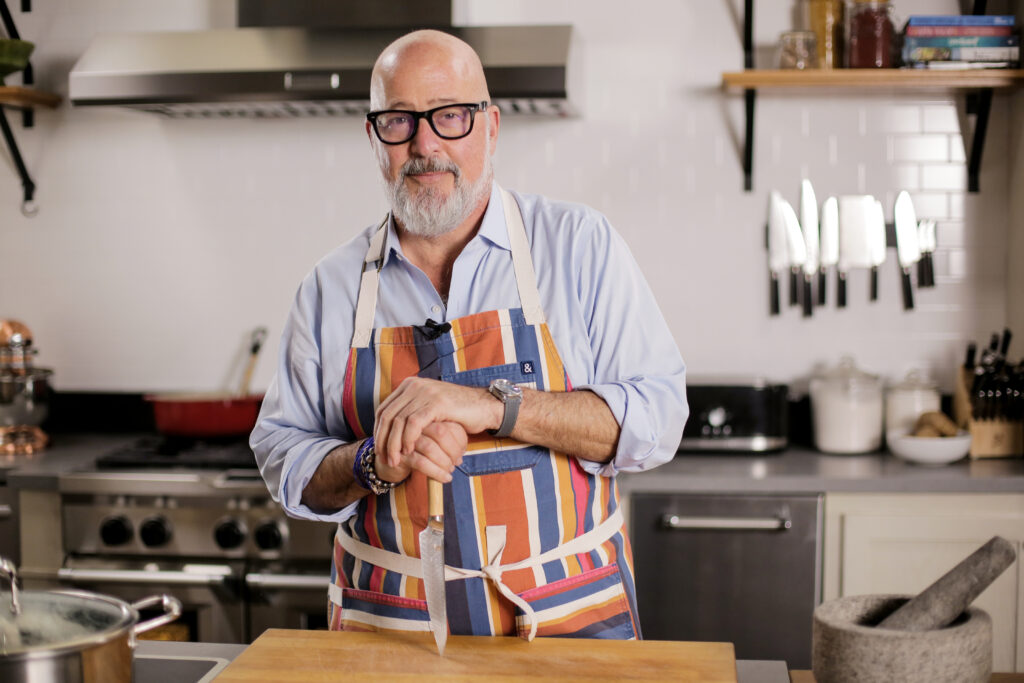
Pictured: Chef Andrew Zimmern
Andrew Zimmern has built a career on curiosity and the belief that food tells the world’s most important stories. A cultural anthropologist, Emmy-winning creator, executive producer, and host of several acclaimed shows including Bizarre Foods, The Zimmern List, What’s Eating America, Family Dinner, and Wild Game Kitchen, he’s spent decades exploring how food can bridge social divides and foster change.
Through his extensive travels, Zimmern has become one of television’s most trusted voices on global food systems. His work has earned him four James Beard Awards and established him as a leading advocate for cultural understanding through food storytelling. Beyond television, Zimmern is the founder of Intuitive Content, named a top 100 production company by Realscreen, and Passport Hospitality, a restaurant and food service development company. He’s authored five books, including the Ippy Gold Medal-winning AZ and the Lost City of Ophir and The Blue Food Cookbook, co-authored with Barton Seaver in collaboration with Fed by Blue, a complimentary publication to the Emmy and James Beard-nominated documentary series Hope in the Water.
Zimmern’s focus extends far beyond entertainment. As a Global Goodwill Ambassador for the UN World Food Programme and The Nature Conservancy, he leverages his platform to fight hunger and promote sustainability. He serves on numerous boards including Autism Speaks, AltaSea, Services for the UnderServed, Giving Kitchen, EXPLR Media and Soigné Hospitality. He is a founding member of the Coalition for Sustainable Aquaculture and the Independent Restaurant Coalition.